
Table of Contents
- Why Recycled Copper Jewelry Matters for the Environment
- Is Copper Jewelry Eco-Friendly? What Sets Recycled Copper Apart
- Recycled Copper Jewelry Durability: How Long Your Pieces Will Last
- Copper Jewelry Skin Discoloration: What You Need to Know
- Copper Jewelry Care and Cleaning for Long-Term Beauty
- The Affordability and Accessibility of Recycled Copper Jewelry
- Frequently Asked Questions
Last Updated: October 5, 2026
Why Recycled Copper Jewelry Matters for the Environment
Recycled copper jewelry represents a meaningful shift toward circular economy practices in the fashion industry. When copper is reclaimed from existing sources rather than extracted as virgin ore, it eliminates the environmental damage associated with mining operations. Mining for primary copper requires extensive land disruption, generates significant waste, and consumes enormous amounts of water and energy. By choosing recycled copper jewelry, you're supporting a material recovery process that dramatically reduces these ecological costs.
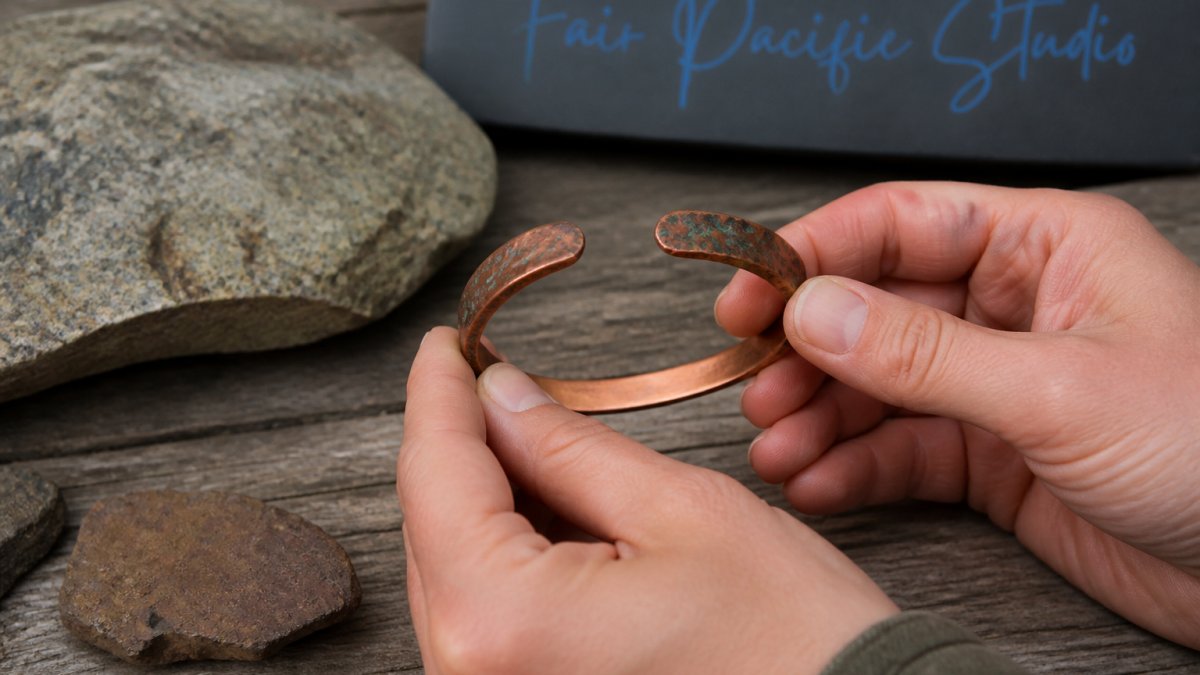
The production of recycled copper requires substantially less energy than refining virgin ore. This efficiency translates directly into lower carbon emissions and reduced resource consumption. Recycled copper can be melted and reformed at relatively low temperatures compared to primary copper production, which demands intense heat and complex chemical processing. Each piece of recycled copper jewelry you wear represents a choice that keeps material out of landfills and reduces demand for destructive mining practices.
At Fair Pacific Studio, I often source reclaimed copper as a core part of our commitment to sustainable jewelry making. Our handcrafted pieces celebrate this material's natural beauty while honoring the circular economy principles that guide responsible artisanal production. The raw textures and authentic patinas that develop on recycled copper tell a story of material reuse and environmental stewardship.
Is Copper Jewelry Eco-Friendly? What Sets Recycled Copper Apart
Recycled copper jewelry is genuinely eco-friendly when compared to virgin copper extraction and many alternative materials. The distinction between recycled and primary copper is crucial: virgin copper mining generates massive tailings, requires extensive water resources, and creates toxic byproducts that contaminate soil and waterways. Recycled copper, by contrast, comes from existing sources like scrap metal, discarded electronics, and previous metal products that are recovered and refined.
What sets recycled copper apart is its ability to be infinitely reused without degradation. Unlike some materials that lose quality with each recycling cycle, copper maintains its properties through multiple transformations. This means the copper in your jewelry today could have been part of building infrastructure decades ago, and it could be reformed into new pieces indefinitely. The environmental benefit compounds with each reuse cycle.
The mining industry's impact on natural resources is substantial. According to U.S. Geological Survey data on mineral production, copper mining operations require careful management to prevent environmental damage. Recycled copper sidesteps these concerns entirely. When you choose recycled copper jewelry, you're actively reducing demand for new mining operations and the habitat disruption they cause.
Fair Pacific Studio's use of reclaimed copper reflects a deeper philosophy about material sourcing. Sustainable jewelry isn't about compromise, it's about choosing materials that tell a better story. Recycled copper offers the same durability, beauty, and versatility as virgin copper, but with a cleaner environmental footprint.
Recycled Copper Jewelry Durability: How Long Your Pieces Will Last
Recycled copper jewelry is remarkably durable when properly cared for. Copper's inherent strength and malleability make it ideal for jewelry that withstands daily wear. Unlike some softer metals, copper maintains its structural integrity through years of regular use. Many people worry that recycled materials are somehow inferior, but recycled copper is metallurgically identical to virgin copper, the only difference is its source.
The durability of recycled copper jewelry depends largely on the thickness of the metal and the quality of the craftsmanship. Handcrafted pieces from Fair Pacific Studio are designed with longevity in mind. Each piece is created with attention to structural integrity, using techniques that ensure clasps, settings, and connections remain secure. Thicker copper pieces generally outlast thinner ones, and well-constructed joints resist loosening over time.
Many recycled copper jewelry pieces develop a natural patina, a darkening or color shift that occurs when copper oxidizes. This isn't deterioration; it's a natural aging process that many artisans and wearers find beautiful. Some people embrace the patina as part of the piece's character, while others prefer to maintain the bright copper finish through regular cleaning. Both approaches preserve the jewelry's integrity.
The lifespan of recycled copper jewelry typically extends many years with proper care. Pieces can last decades or longer, especially when stored properly and cleaned regularly. This longevity makes recycled copper an economical choice, you're investing in jewelry that won't require frequent replacement. The durability of recycled copper jewelry actually enhances its sustainability profile: a piece that lasts twenty years has far less environmental impact than a cheaply made alternative that requires replacement every few months.
Copper Jewelry Skin Discoloration: What You Need to Know
Copper jewelry can cause temporary skin discoloration in some wearers, though this is neither dangerous nor permanent. When copper oxidizes on the skin, it sometimes leaves a green or dark mark where the jewelry contacted your skin. This discoloration is purely cosmetic and washes away with soap and water. It occurs because copper naturally oxidizes, and the resulting compounds can transfer to skin, particularly in humid conditions or with prolonged wear.
Not everyone experiences copper discoloration. Factors like skin chemistry, moisture levels, and how tightly the jewelry fits influence whether this occurs. Some people wear copper jewelry regularly without any discoloration, while others notice it consistently. The variation is normal and depends on individual skin conditions rather than any flaw in the jewelry itself.
If discoloration concerns you, several practical approaches minimize or eliminate it. Wearing a thin barrier between the copper and your skin, such as clear nail polish applied to the underside of the piece, a thin fabric layer, or a protective coating, prevents direct contact. Many wearers find that applying a clear lacquer to the back of a copper ring or bracelet solves the issue entirely.
The green or dark marks that do appear are completely harmless. Your skin isn't absorbing copper in dangerous amounts, the marks are simply oxidation compounds that rinse away. If you have sensitive skin or a known metal sensitivity, testing a small area first is wise. Most people with copper sensitivity are actually reacting to nickel or other metals in copper alloys rather than copper itself. Pure or nearly-pure recycled copper generally poses fewer sensitivity concerns than lower-quality copper blends.
Copper Jewelry Care and Cleaning for Long-Term Beauty
Caring for recycled copper jewelry is straightforward and requires minimal effort. Regular gentle cleaning keeps your pieces looking beautiful and prevents excessive patina buildup if you prefer the bright finish. For routine cleaning, warm soapy water and a soft cloth are sufficient. Simply wash your jewelry as you would your hands, using mild dish soap and a non-abrasive cloth to dry it completely.
For deeper cleaning or to remove stubborn patina, a few household items work effectively. Lemon juice or white vinegar mixed with a small amount of salt creates a gentle cleaning paste. Dip a soft cloth into the mixture and gently rub the copper surface, then rinse thoroughly with clean water and dry completely.
Never use abrasive scrubbers, steel wool, or harsh commercial cleaners on copper jewelry. These can scratch the surface and damage the natural patina that many find appealing. Similarly, avoid prolonged soaking in cleaning solutions, as this can weaken solder joints or loosen settings. Gentle, brief cleaning sessions are far more effective than aggressive treatments.
Storage matters significantly for copper jewelry longevity. Keep your pieces in a cool, dry place away from direct sunlight and moisture. A small jewelry box with a soft cloth lining works well. If you notice tarnishing developing during storage, this is normal, it's simply copper oxidizing in response to air exposure. A quick cleaning brings back the shine whenever you're ready to wear the piece again.
Fair Pacific Studio pieces are designed to age gracefully. Whether you maintain the bright copper finish or allow the patina to develop naturally, proper care ensures your jewelry remains beautiful for years. The handcrafted quality means your pieces will likely become more meaningful over time, developing their own unique character through wear and care.
The Affordability and Accessibility of Recycled Copper Jewelry
Recycled copper jewelry offers exceptional value compared to precious metals like silver, gold, and platinum. Copper's lower cost makes beautiful, handcrafted jewelry accessible to a broader audience. You can invest in artisanal, well-made pieces without the premium pricing associated with precious metal jewelry.
The affordability of recycled copper jewelry makes it ideal for building a versatile collection. You can acquire multiple pieces in different styles, allowing you to express different facets of your aesthetic without the financial commitment required by precious metal collections. Many people find that owning several copper pieces from Fair Pacific Studio, combining minimalist designs with bohemian elements, gives them more styling flexibility than owning a single expensive piece.
Copper's lower cost also makes it an excellent choice for jewelry with natural stones or more complex designs. Artisans can invest more creative energy and craftsmanship into pieces without driving the final price beyond reach. This means recycled copper jewelry often features more intricate work, unique stone combinations, and thoughtful design details than you might find in similarly priced pieces made from other materials.
The value proposition extends beyond initial purchase price. Because recycled copper jewelry is durable and timeless in design, the cost-per-wear over years of ownership is remarkably low. A handcrafted copper piece worn regularly for a decade represents an investment in sustainable fashion that pays dividends in both beauty and environmental impact.
Choosing recycled copper jewelry means investing in pieces that honor both craftsmanship and environmental responsibility. The material's durability, accessibility, and sustainability make it an intelligent choice for conscious consumers. Each piece tells a story of reclaimed material, thoughtful design, and timeless aesthetic. Shop the catalog to discover how recycled copper jewelry can become a meaningful part of your personal style while supporting sustainable practices in fashion.
Aspect | Recycled Copper | Virgin Copper | Precious Metals |
|---|---|---|---|
Environmental Impact | Minimal mining damage | Significant habitat disruption | Varies by metal; often intensive |
Energy to Produce | Low (melting only) | High (ore extraction and refining) | High (mining and refining) |
Cost | Affordable | Higher than recycled | Premium pricing |
Durability | Excellent (decades+) | Excellent (decades+) | Excellent (decades+) |
Discoloration Risk | Possible; manageable | Possible; manageable | Minimal to none |
Recyclability | Infinite reuse | Infinite reuse | Infinite reuse |
Frequently Asked Questions
How do I know if my jewelry is actually made from recycled copper?
Look for documentation or certifications from the maker. Reputable artisans like Fair Pacific Studio disclose their sourcing practices and can explain where reclaimed copper comes from. Ask directly about material sourcing before purchasing. Genuine recycled copper jewelry makers are transparent about their supply chain and happy to answer questions about how materials are sourced and processed.
Is recycled copper jewelry as durable as newly mined copper?
Yes. Recycled copper has the same physical properties as primary copper once it's been refined and reprocessed. The durability of your piece depends on the design, craftsmanship, and how well you care for it, not whether the copper is recycled or newly mined. Handcrafted pieces from skilled artisans often outlast mass-produced alternatives because of superior construction techniques and attention to detail.
Why does copper jewelry turn my skin green?
Copper naturally oxidizes when exposed to moisture and acids on your skin, creating a green patina. This is a chemical reaction, not an allergic response or sign of low-quality copper. It's harmless but can stain skin temporarily. To minimize discoloration, keep your piece dry, apply a clear protective coating if desired, or wear it over clothing. The patina is actually prized by many for its vintage, earthy aesthetic.
What makes recycled copper jewelry better for the environment than other metals?
Recycled copper requires 85% less energy to process than mining and refining virgin copper ore. It eliminates the ecological damage of mining operations, reduces carbon emissions significantly, and conserves natural resources. Copper is infinitely recyclable without losing quality, making it a true circular material. Choosing recycled copper supports the circular economy and reduces demand for destructive mining practices.