
Last Updated: October 26, 2026
Quick Summary
Natural stone jewelry supports your well-being by creating emotional balance, grounding you during stress, and serving as a tangible reminder of your intentions. When you wear natural stone jewelry with purpose, the combination of ritual, mindfulness, and connection to authentic materials can shift how you carry yourself throughout your day.
- Stones at Mohs 7 or above can handle daily wear in rings and bracelets; softer stones belong in pendants and earrings.
- Amethyst traditionally represents clarity, rose quartz connects to self-compassion, and citrine is associated with confidence.
- No gemstone has been proven in clinical trials to treat, cure, or prevent medical conditions.
- Store jewelry in soft pouches separately to prevent scratches and preserve beauty over time.
- Handcrafted pieces from ethical makers create deeper connection through alignment with your values.
Table of Contents
- Why Natural Stone Jewelry Matters Beyond Aesthetics
- Emotional Balance and Stress Relief Through Natural Gemstones
- Healing Properties of Gemstones: What the Tradition Says
- Natural Gemstones and Their Meanings in Daily Life
- Gemstones for Everyday Wear: Durability and Practicality
- How to Care for Gemstone Jewelry and Preserve Its Beauty
- Choosing Natural Stone Jewelry That Aligns With Your Values
- Frequently Asked Questions
Why Natural Stone Jewelry Matters Beyond Aesthetics
Natural stone jewelry has become far more than a fashion choice. When I wear a piece of handcrafted natural stone jewelry, I'm not just adding an accessory, I'm inviting intention and meaning into my day.
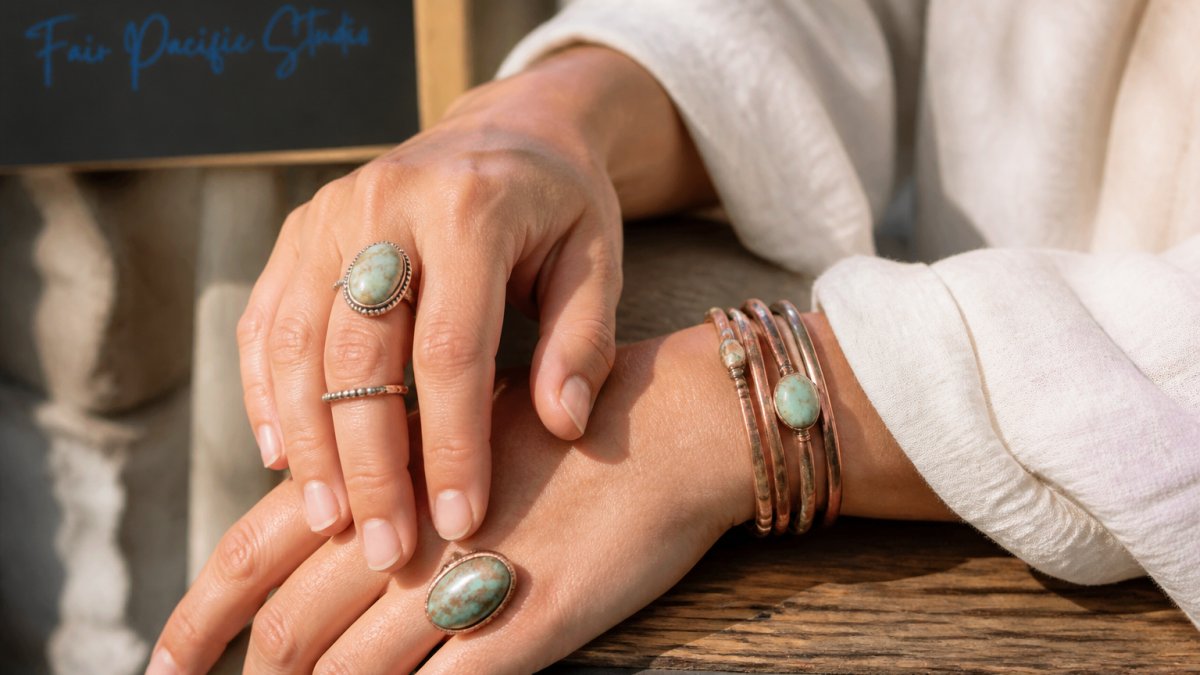
The difference between mass-produced jewelry and genuine natural stone jewelry lies in authenticity. Real gemstones carry their own energy and history. When I choose a piece from Fair Pacific Studio, I'm selecting something that was thoughtfully crafted by hand, using reclaimed materials that tell their own story. This intentionality transforms how I experience wearing the piece throughout my day.
Many people discover that natural stone jewelry serves a deeper purpose than aesthetics alone. The tactile quality of holding a smooth stone, the visual connection to earth and nature, and the knowledge that I'm wearing something authentic creates a subtle but meaningful shift in how I carry myself.
Emotional Balance and Stress Relief Through Natural Gemstones
The connection between natural gemstones and emotional calm is rooted in both tradition and personal experience. Many people report that wearing certain stones helps them feel more grounded during stressful moments. Whether this comes from the stone itself or from the intentional act of choosing and wearing something meaningful, the result is often the same: a sense of steadiness.
When I reach for a piece of natural stone jewelry on a difficult day, I'm creating a small ritual. That moment of connection, touching the stone, feeling its weight, remembering why I chose it, can interrupt the stress response and bring me back to center. This is why so many people keep the same piece close during challenging periods.
The practice of wearing natural gemstones for emotional support works best when the choice feels personal. Rather than following a prescribed list, I recommend selecting stones that resonate with you visually and energetically. If a particular stone calls to you, that intuitive pull is worth honoring.
Healing Properties of Gemstones: What the Tradition Says
The concept of healing properties in gemstones comes from ancient practices across many cultures. For thousands of years, specific stones have been associated with particular benefits, amethyst with calm, rose quartz with self-love, citrine with clarity.
It's important to distinguish between what tradition teaches and what science measures. When I discuss the healing properties of gemstones, I'm honoring the historical and cultural significance these stones hold, not making medical claims.
That said, the tradition is worth understanding on its own terms. Here is how I separate the layers:
- Cultural and historical meaning: Specific stones have been assigned symbolic roles for centuries. Amethyst was linked to sobriety and calm in ancient Greece; rose quartz to love and reconciliation; citrine to prosperity and confidence. These are cultural associations, not measured effects.
- Psychological and ritual value: The act of choosing a stone, wearing it daily, and touching it as a reminder can function as a mindfulness cue. This is a well-documented behavioral mechanism, anchoring an intention to a physical object, and it does not require the stone itself to emit energy.
- Placebo and expectation: When I expect a stone to help me feel grounded, that expectation can shape my experience. Researchers call this expectancy effect, and it is real even when the mechanism is psychological rather than mineral.
- Unproven energetic claims: Statements that a stone "clears the aura" or "raises vibration" are belief-based. I neither dismiss them nor present them as fact. I simply label them as tradition.
Many people find that the ritual of selecting and wearing a stone with intention creates tangible shifts in how they feel. This might come from the placebo effect, from the meditative quality of the practice, or from something we don't yet have words for.
Fair Pacific Studio creates natural stone jewelry that honors these traditions while maintaining authenticity. Each handcrafted piece invites you to engage with the stone's meaning in your own way, without pressure or dogma.
Natural Gemstones and Their Meanings in Daily Life
Different stones carry different symbolic weight, and understanding these meanings helps me choose pieces that align with where I am in my life. Amethyst traditionally represents clarity and calm. Rose quartz connects to self-compassion and emotional healing. You can explore this gemstone's benefits through the Citrine & Gold Faceted Beaded Bracelet.
The practical benefit of knowing stone meanings is that I can select jewelry that serves as a tangible reminder of my intentions. When I wear citrine, I'm not just wearing a golden stone; I'm carrying a symbol of the clarity and confidence I want to cultivate. This turns jewelry into a tool for mindfulness and self-reflection.
I recommend choosing stones based on what you actually need right now, not what sounds most impressive. If you're moving through a period where you need grounding, reach for stones associated with stability and presence. If you're working on self-acceptance, select something that symbolizes compassion.
I invite you to explore how natural stone jewelry embodies these meanings in wearable form.
Gemstones for Everyday Wear: Durability and Practicality
Not every beautiful stone is suitable for daily wear. This is where practicality meets aesthetics, and it's crucial information if you're investing in natural stone jewelry. Some gemstones are soft and vulnerable to scratches; others are brittle and prone to cracking.
Durability has two separate components, and conflating them is the most common mistake I see:
- Hardness (Mohs scale, 1-10) measures scratch resistance. Talc is 1; diamond is 10. A stone below about 7 will show scratches from everyday grit, which contains quartz (7) (Natural Gemstones).
- Toughness measures resistance to chipping and cracking. Jade is only about 6.5-7 on Mohs but is exceptionally tough; opal is 5.5-6.5 and comparatively brittle. A hard stone can still shatter.
Here is how the stones most commonly used in jewelry compare:
| Stone | Mohs hardness | Toughness | Best jewelry use |
|---|---|---|---|
| Diamond | 10 | Good (cleaves along planes) | Rings, daily wear |
| Sapphire / ruby (corundum) | 9 | Excellent | Rings, bracelets |
| Moissanite | 9.25 | Excellent | Rings, daily wear |
| Quartz family (amethyst, citrine, rose quartz) | 7 | Good | Pendants, earrings, occasional rings |
| Jade (nephrite/jadeite) | 6.5-7 | Excellent | Bracelets, carved pieces |
| Moonstone, labradorite | 6-6.5 | Poor to fair | Pendants, earrings |
| Opal | 5.5-6.5 | Poor | Pendants, protected settings |
| Fluorite | 4 | Poor | Collector pieces, not daily wear |
| Pearl | 2.5-4.5 | Fair | Earrings, necklaces |
My working rules: stones at Mohs 7 or above can handle rings and bracelets if the setting protects the edges; stones at 6-7 belong in pendants and earrings; stones below 6 are best kept for occasional wear or protected settings like a bezel. A bezel setting, metal wrapped around the stone's edge, protects soft stones far better than prongs.
Durability also depends on the metal used in the setting. Fair Pacific Studio uses reclaimed copper, sterling silver, and brass, materials that develop character over time rather than deteriorate. The combination of a durable stone in a well-crafted metal setting means I can wear my piece daily without worry.
Metal choice matters for skin sensitivity as well. Nickel is the most common cause of contact dermatitis from jewelry, and it is frequently found in inexpensive plated pieces and some white gold alloys.
A few practical habits extend wear life:
- Put jewelry on last, after lotion, perfume, and hairspray have dried.
- Take rings off before gardening, lifting weights, or washing dishes.
- Store pieces separately in soft pouches so harder stones don't scratch softer ones.
- Check prongs and bezels every few months; a loose setting is the most common cause of lost stones.
When selecting natural stone jewelry for everyday wear, I ask myself: Will I actually reach for this? Will it withstand my lifestyle? The best piece is one you love enough to wear constantly, not one that sits unworn because you're afraid to damage it.
How to Care for Gemstone Jewelry and Preserve Its Beauty
Proper care extends the life of natural stone jewelry and maintains its visual appeal. Different stones require different approaches, but the fundamentals are consistent: avoid extreme temperature changes, keep stones away from harsh chemicals, and clean gently.
I clean my natural stone jewelry with lukewarm water and mild soap, using a soft cloth to dry. For stones like amethyst and citrine, this simple method works beautifully. For more delicate stones, I skip the water entirely and use a soft, dry cloth. The key is gentleness, aggressive scrubbing or ultrasonic cleaners can damage even durable stones.
Storage matters as much as cleaning. I keep my pieces in a soft pouch or lined box where they won't rub against each other or harder materials. Learn how to care for silver, gold, brass, and copper jewelry with proper maintenance techniques. This prevents scratches and keeps the stones looking fresh.
I encourage you to learn more about proper maintenance techniques for natural stone jewelry to keep your pieces in excellent condition for years to come.
Choosing Natural Stone Jewelry That Aligns With Your Values
The decision to wear natural stone jewelry often reflects deeper values about sustainability, authenticity, and intentional consumption. When I choose handcrafted pieces over mass-produced alternatives, I'm making a statement about what matters to me.
Fair Pacific Studio embodies these values through handcrafted design, reclaimed materials, and a commitment to authenticity. Each piece tells a story, not just the story of the stones, but the story of thoughtful creation and respect for materials.
Ethical sourcing and environmental impact are increasingly important to many people. I encourage you to explore sustainable jewelry brands that align with ethical values to find other makers who share this commitment.
The most meaningful jewelry is the piece that resonates with both your aesthetic and your values.
The journey toward intentional living often includes small choices about what we wear and why. Natural stone jewelry offers a tangible way to connect with meaning, intention, and authenticity.
Frequently Asked Questions
What are the benefits of wearing natural stone jewelry?
Natural stone jewelry offers multiple benefits: emotional grounding through the calming presence of gemstones, a connection to intention and personal meaning, and support for mindfulness in daily life. Wearing natural stone jewelry also allows you to express your personal style while supporting artisanal makers and sustainable practices. Many people report feeling more centered and intentional when wearing pieces that resonate with their values.
Can natural stone jewelry be worn every day?
Yes, many natural gemstones are durable enough for everyday wear, though durability varies by stone type. Harder stones like sapphire, ruby, and topaz withstand daily activity well. Softer stones like opal, moonstone, and fluorite are better suited to occasional wear or protective settings. Choosing gemstones for everyday wear depends on your lifestyle and the jewelry type, rings face more impact than necklaces, so stone selection matters more for rings.
How do you care for natural stone jewelry?
Care for natural stone jewelry by storing pieces separately to prevent scratching, cleaning gently with lukewarm water and mild soap using a soft cloth, and avoiding exposure to harsh chemicals and extreme temperature changes. Remove jewelry before swimming, exercising, or using cleaning products. For handcrafted pieces with reclaimed metals, occasional polishing keeps the metal bright. Check clasps and settings periodically to ensure they remain secure, especially for pieces worn frequently.
Do gemstones have proven healing benefits?
Gemstones have been valued for centuries in spiritual and traditional healing practices, with each stone believed to carry specific properties, amethyst for calm, rose quartz for self-love, and citrine for clarity, for example. While these beliefs are deeply rooted in cultural tradition, scientific evidence for direct healing effects is limited. What research does support is the psychological benefit of mindfulness and intention-setting that wearing meaningful jewelry can encourage, which itself supports emotional well-being.
