
Table of Contents
- What Makes Sustainable Jewelry Brands Worth Your Attention
- Ethical Jewelry Brands That Prioritize Artisan Craftsmanship
- Recycled Gold Jewelry and Other Reclaimed Materials
- Responsibly Sourced Gemstones and Transparent Supply Chains
- How to Care for Sterling Silver Jewelry and Other Everyday Pieces
- Durability and Longevity: What to Look for in Sustainable Jewelry
- Building a Timeless Collection That Lasts
- Frequently Asked Questions
Last Updated: October 11, 2026
What Makes Sustainable Jewelry Brands Worth Your Attention
Sustainable jewelry brands are reshaping how we think about personal accessories. Instead of mass-produced pieces that wear out or fall apart, I focus on handcrafted items. The difference comes down to materials, craftsmanship, and intention.
When I choose sustainable jewelry, I'm investing in pieces that tell a story. Reclaimed copper, recycled gold, and ethically sourced gemstones aren't just buzzwords, they represent a commitment to doing less harm. A piece made from reclaimed materials has already lived one life. It gets a second one with you.
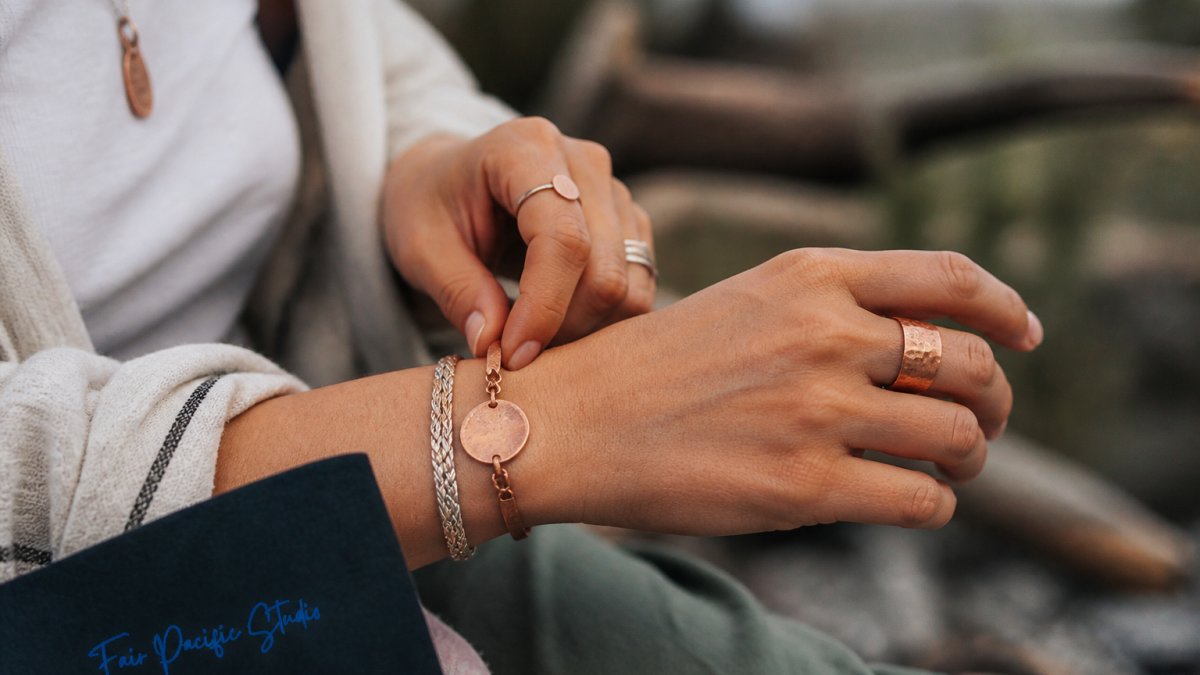
The real value lies in durability. Sustainable jewelry brands prioritize solid construction, quality closures, and designs that won't feel dated next season.
Transparency matters too. When I buy from a brand that documents where materials come from and how pieces are made, I know exactly what I'm supporting. This openness builds trust and separates genuine sustainable practices from greenwashing.
Ethical Jewelry Brands That Prioritize Artisan Craftsmanship
Artisan-made jewelry stands apart because it's created by skilled hands, one piece at a time. I value this approach because it means each item receives individual attention. Small-batch production ensures quality control that assembly lines simply can't match.
Fair-trade and artisan-focused brands often work directly with makers in their communities. This model supports livelihoods while ensuring fair compensation for labor. When I purchase from these brands, I know the person who created my piece was treated fairly.
The aesthetic of artisan work carries weight. Handcrafted pieces often feature raw textures, organic shapes, and subtle imperfections that make them uniquely beautiful. These aren't flaws, they're evidence of human skill and care. Mass-produced jewelry aims for uniformity; artisan work celebrates individuality.
At Fair Pacific Studio, I create each piece by hand, blending bohemian design with modern minimalism. Using reclaimed copper, sterling silver, and brass, I ensure that every item reflects the natural beauty of the Pacific Northwest. This hands-on approach means I can control every detail and guarantee quality that matters.
Artisan brands also tend to offer better customer relationships. I can answer questions about specific pieces, discuss custom modifications, and explain the story behind materials. This connection transforms a purchase into a meaningful exchange.
Recycled Gold Jewelry and Other Reclaimed Materials
Recycled gold and reclaimed metals represent a smarter approach to fine jewelry. Instead of mining new gold, which requires significant environmental disruption, I source gold that's already been refined and used. It carries the same quality and beauty as newly mined material.
Recycled metals include silver and copper that have been reclaimed from old jewelry, electronics, or industrial waste. The refining process brings them back to pristine condition. I choose reclaimed materials because they reduce demand for mining while delivering the same durability and aesthetic appeal.
Reclaimed copper deserves special attention. It develops a natural patina over time, creating a living finish that becomes more beautiful with age. Unlike plated jewelry that can wear away, solid reclaimed copper deepens in character. This material aligns perfectly with minimalist and bohemian aesthetics.
The environmental impact of recycled materials is substantial. Mining new precious metals consumes enormous amounts of water, energy, and land. Recycled alternatives bypass these costs entirely. When I work with reclaimed copper, sterling silver, and brass, I'm choosing materials that honor both craftsmanship and environmental responsibility.
Sourcing reclaimed materials requires stronger supplier relationships. I work with trusted vendors who can document where materials come from. This transparency ensures I'm not purchasing materials that merely claim to be recycled without verification.
Responsibly Sourced Gemstones and Transparent Supply Chains
Ethically sourced gemstones represent a major shift in how sustainable jewelry brands operate.
Transparent supply chains mean I can trace materials from source to finished piece. This documentation protects against conflict minerals and ensures fair labor practices. When a brand shares this information openly, it demonstrates genuine commitment to responsibility rather than marketing rhetoric.
Responsibly sourced gemstones come with specific certifications and documentation. I look for brands that provide these credentials because they prove accountability beyond marketing claims.
Fair-trade gemstone programs ensure that the people who extract and process stones receive fair compensation and work in safe conditions. These certifications are rare and require significant investment, but they represent genuine ethical sourcing.
Natural gemstones can be responsibly sourced when mines operate with environmental oversight and fair labor practices. The key is documentation: if a brand can't or won't explain where gemstones come from, which certifications they hold, or how materials were processed, that's a red flag.
The choice depends on which impact matters most to me: environmental footprint, labor practices, or community support. Transparent brands help me understand these trade-offs so I can make an informed decision aligned with my values.
How to Care for Sterling Silver Jewelry and Other Everyday Pieces
Sterling silver requires simple maintenance to keep its luster. I clean my pieces regularly with a soft cloth and mild soap. For deeper cleaning, a specialized silver cloth works well. Avoid harsh chemicals and abrasive materials that can scratch the surface. Tarnishing happens naturally as silver oxidizes, but it's easily reversible and doesn't affect durability.
Storage matters as much as cleaning. I keep sterling silver pieces in a cool, dry place away from direct sunlight. A small pouch or lined jewelry box prevents scratches and slows tarnish buildup. Sterling silver's durability means these pieces can last decades with minimal care, making them ideal for everyday wear.
Reclaimed copper develops patina naturally, and many people embrace this change as part of the material's character. If I want to maintain the original shine, I can clean it gently with a soft cloth. For pieces meant to patina, I simply let time work its magic.
Brass jewelry requires similar care to copper. I avoid exposing it to water for extended periods, as moisture accelerates oxidation. A soft cloth and occasional gentle cleaning keep brass pieces looking their best. Like copper, brass develops character over time. Solid brass outlasts brass-plated alternatives significantly because there's no thin coating to wear away.
For pieces with clasps or closures, I check them regularly to ensure they function smoothly. Loose clasps can cause pieces to fall off. Tightening or adjusting closures takes just a moment and prevents loss. This simple maintenance extends the life of any piece significantly.
| Material | Cleaning Method | Storage | Water Resistance | Lifespan with Care |
|---|---|---|---|---|
| Sterling Silver | Soft cloth + mild soap | Dry, dark place | Good; remove before swimming | 20+ years |
| Reclaimed Copper | Gentle cloth or patina cloth | Cool, dry location | Fair; patina accelerates with moisture | 15+ years |
| Brass | Soft cloth, avoid prolonged water | Lined box | Fair; oxidizes with moisture | 10-15 years |
| Recycled Gold | Mild soap + water | Separate pouch | Excellent | 30+ years |
Many sustainable jewelry brands offer repair services for loose stones, broken clasps, or worn components. Some brands also operate take-back programs where I can return worn or unwanted pieces for recycling or refurbishment.
Water exposure varies by material and finish. Solid sterling silver and recycled gold handle daily water exposure well, showers, handwashing, and light rain don't damage them. Reclaimed copper and brass are more vulnerable to prolonged moisture, so I remove these pieces before swimming or extended water activities.
Regular inspection catches problems early. I check my pieces occasionally for loose stones, worn clasps, or bent components. Catching these issues before they cause loss or damage prevents heartbreak and extends the life of the piece.
Durability and Longevity: What to Look for in Sustainable Jewelry
Solid metals outlast plated alternatives by decades. I prioritize pieces made from solid sterling silver or reclaimed copper rather than thin plating over base metals. Solid construction means the piece maintains its integrity even with regular wear.
Clasp quality determines how long a necklace or bracelet will last. I examine closures carefully before purchasing. Sturdy clasps that click securely and don't feel loose are essential. Weak clasps are the fastest way to lose a piece you love.
Gemstone settings matter significantly. Bezels that fully surround stones offer more protection than prong settings. I look for secure, well-executed settings that won't allow stones to shift or fall out. Poor setting work is a common failure point in jewelry.
Handcrafted construction generally means better durability than mass production. When I create a piece by hand, I can adjust tension, reinforce weak points, and ensure every connection is solid. This attention to detail prevents the failures that plague quickly-made alternatives.
The design itself affects longevity. Minimalist styles with clean lines tend to age better than trendy designs. I favor pieces that won't feel dated in five years. Timeless aesthetics combined with solid construction create jewelry that becomes more meaningful with time.
Regular inspection catches problems early. I check my pieces occasionally for loose stones, worn clasps, or bent components. Catching these issues before they cause loss or damage prevents heartbreak and extends the life of the piece.
Building a Timeless Collection That Lasts
I start with foundational pieces: simple sterling silver studs, a delicate bracelet, and a minimalist pendant. These basics work with nearly everything and never feel out of place. Building from these anchors means every new piece integrates seamlessly into my existing collection.
Choosing pieces that reflect my personal aesthetic ensures I'll wear them consistently. Pieces I love get worn more, which paradoxically makes them last longer because they're maintained better. I avoid buying things that don't genuinely resonate with my style.
Mixing metals works beautifully when pieces share a design philosophy. I combine reclaimed copper with sterling silver and brass without hesitation. The key is ensuring all pieces feel intentional and cohesive in their aesthetic approach.
Investing in quality over quantity transforms how I relate to jewelry. One excellent handcrafted piece that I wear regularly holds more value than five mediocre pieces that sit unworn. This mindset shift makes sustainable jewelry feel like the smarter financial choice.
Meaningful occasions deserve special pieces. I save certain items for specific moments or people, which deepens their significance. A piece received as a gift or worn for a milestone becomes part of my personal story.
Sustainable jewelry brands encourage this intentional approach. By offering handcrafted, durable pieces with transparent practices, they invite me to build collections that matter. Each piece becomes part of a larger narrative about how I choose to live and what I choose to support.
Building a sustainable jewelry collection means choosing pieces that last, makers you trust, and materials that align with your values. At Fair Pacific Studio, I create handcrafted jewelry using reclaimed copper, sterling silver, brass, and natural stones. Each piece is designed by hand to blend bohemian aesthetics with modern minimalism, jewelry that tells the story of the Pacific Northwest while standing up to everyday wear. Explore sustainable jewelry practices and ethical sourcing standards to understand what transparency looks like. Shop the catalog and discover pieces that work as hard as you do.
Frequently Asked Questions
What materials are used in sustainable jewelry?
Sustainable jewelry brands use recycled metals like reclaimed copper and sterling silver, along with ethically sourced gemstones and natural stones. These materials reduce environmental impact and eliminate the need for new mining. Artisan makers often source reclaimed materials, creating unique pieces with a smaller carbon footprint than mass-produced alternatives.
How can I tell if a jewelry brand sources materials ethically?
Look for brands that provide transparent supply-chain documentation and certifications for their materials. Ethical jewelry brands should disclose where metals and gemstones originate, whether they use responsibly sourced stones, and how artisans are compensated. Small-batch, handmade producers often share their sourcing story directly. Ask questions before purchasing, legitimate makers are happy to explain their materials and production methods.
Can sustainable jewelry be worn every day?
Yes, high-quality sustainable jewelry is designed for everyday wear. Solid metals like sterling silver and reclaimed copper are durable enough for daily use when properly cared for. Handcrafted pieces often feature stronger construction than mass-produced alternatives. Choose minimalist or dainty designs that suit your lifestyle, and select closures and settings that work with your needs, especially if you have dexterity concerns. Proper care extends the life of any piece.
How should I care for sterling silver jewelry to make it last?
Store sterling silver jewelry in a dry place away from moisture and direct sunlight to prevent tarnishing. Clean it gently with a soft cloth or mild soap and warm water, avoiding harsh chemicals. Remove jewelry before swimming, showering, or exercising to protect against damage. For tarnished pieces, use a silver polishing cloth or mild silver cleaner. Regular care keeps pieces looking beautiful and extends their lifespan significantly, making sustainable jewelry a true long-term investment.